Serbia, ranked from the rivers up.
Which Danube day actually reaches the gorge. Which cellar in Sremski Karlovci pours the bermet. Whether the splav night is worth your one night out. Every tour in Serbia, reviewed and ranked.
Downriver to Golubac, or uphill to the vineyards?
All Golubac & Iron Gate days →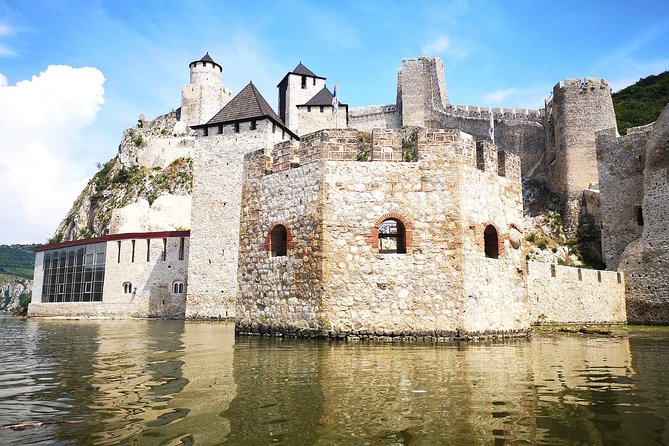
East means the fortress standing in the water and the narrows behind it. North means Petrovaradin and the cellars. The three below carry the most travellers out of Belgrade — pick a direction first, a tour second.
Golubac Fortress & the Iron Gate
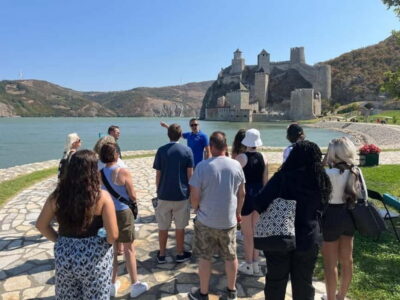
Nine towers rising straight out of the Danube, then the narrows where the river squeezes between Serbia and Romania. Early van, long road east, worth both.
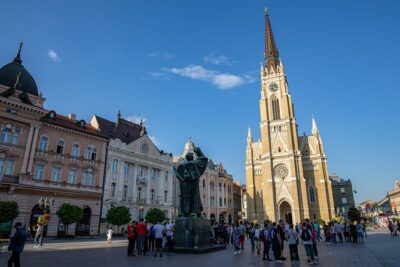
Novi Sad & the Karlovci cellars
Petrovaradin’s ramparts above the river, Novi Sad’s squares below, then bermet poured in family cellars that have kept the same barrels for generations.
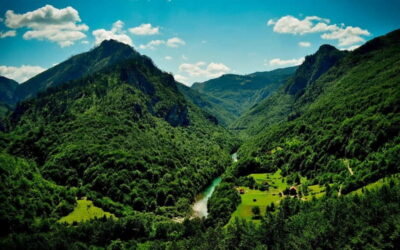
Drina house, Drvengrad & the Šargan Eight
The lone house on its rock in the Drina, a narrow-gauge figure-eight through the hills, and a timber town on top. The biggest single day Serbia sells.
What Serbia sells out first.
The full ranking →The tours more travellers book than anything else in Serbia, with the traveller verdict on each — what it costs, and whether it earns the day.
 1
1
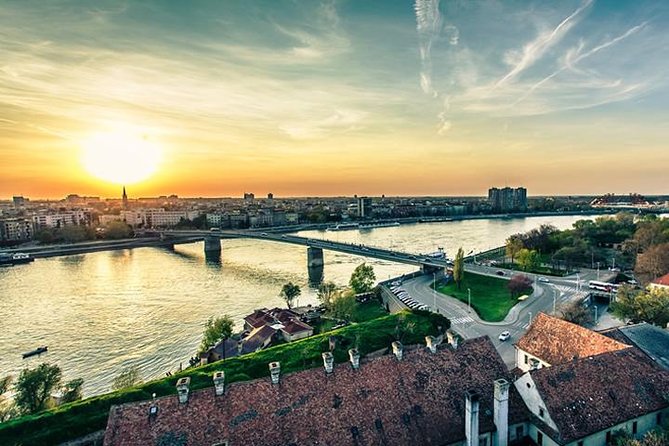
Novi Sad & Sremski Karlovci Full-Day Tour
Belgrade to Novi Sad in one day, with Krušedol Monastery, Sremski Karlovci, Bermet tasting, and Petrovaradin Fortress views of the Danube.
From · $76
Read our review →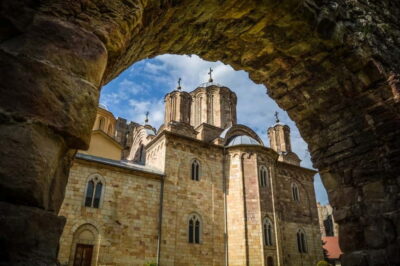 2
Gems of Eastern Serbia Tour
from $123
3
Sremski Karlovci and Novi Sad Full-Day Tour from Belgrade
from $78
2
Gems of Eastern Serbia Tour
from $123
3
Sremski Karlovci and Novi Sad Full-Day Tour from Belgrade
from $78
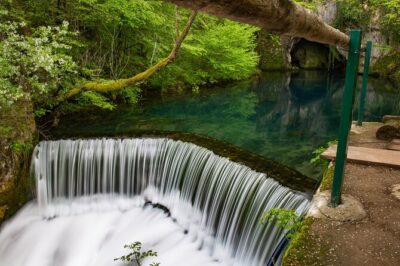 4
Gems of Eastern Serbia
from $127
4
Gems of Eastern Serbia
from $127
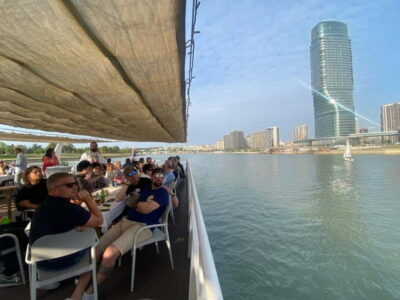 5
Sunset Cruise with Live Guide
6
Western Serbia 1-Day Tour of the Key Sites from Belgrade
from $129
5
Sunset Cruise with Live Guide
6
Western Serbia 1-Day Tour of the Key Sites from Belgrade
from $129
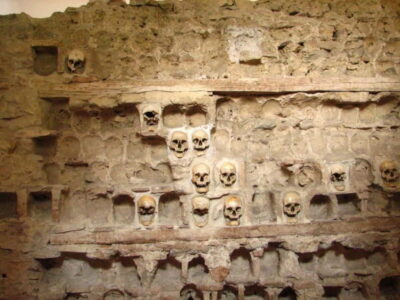 7
Day Tour to Nis, Serbia with tickets and pick-up
from $93
7
Day Tour to Nis, Serbia with tickets and pick-up
from $93
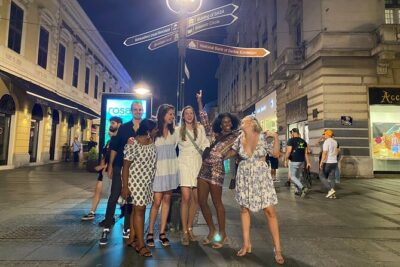 8
Belgrade Nightlife Bar Pub Club Crawl with Drinks
from $90
8
Belgrade Nightlife Bar Pub Club Crawl with Drinks
from $90
Belgrade doesn’t do early nights.
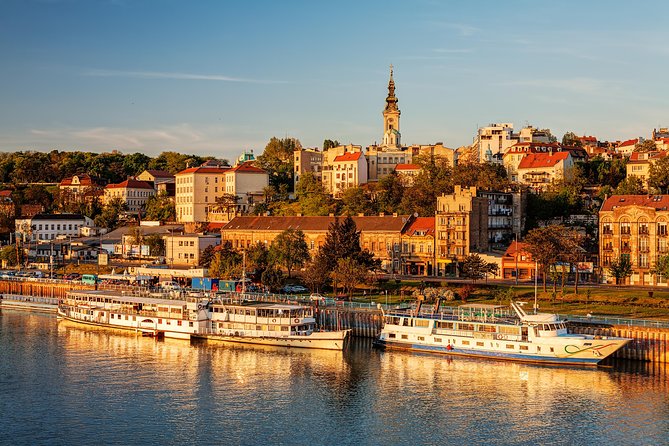
Kalemegdan at sunset, dinner in Skadarlija, then the splavovi — the floating clubs moored along the Sava that keep going until the river turns pale. The capital’s best days need booking; so do its nights.
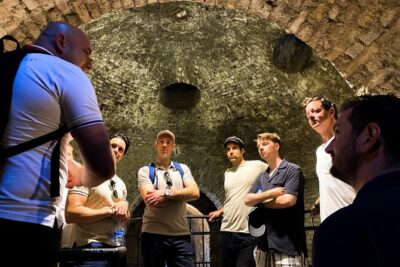
North of the river, the cellars of Sremski Karlovci.
Fruška Gora’s monasteries and vineyards, Petrovaradin watching the Danube, and a dessert wine — bermet — that barely leaves the town that makes it. Novi Sad is the easiest great day out of Belgrade, and the tastings are the reason to stay late.
All 26 Novi Sad & Karlovci days →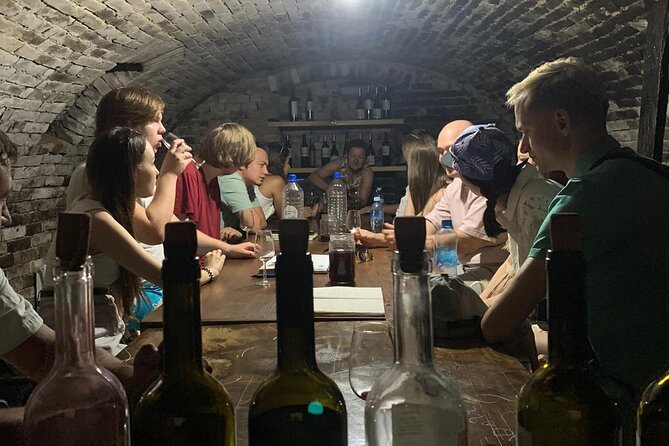

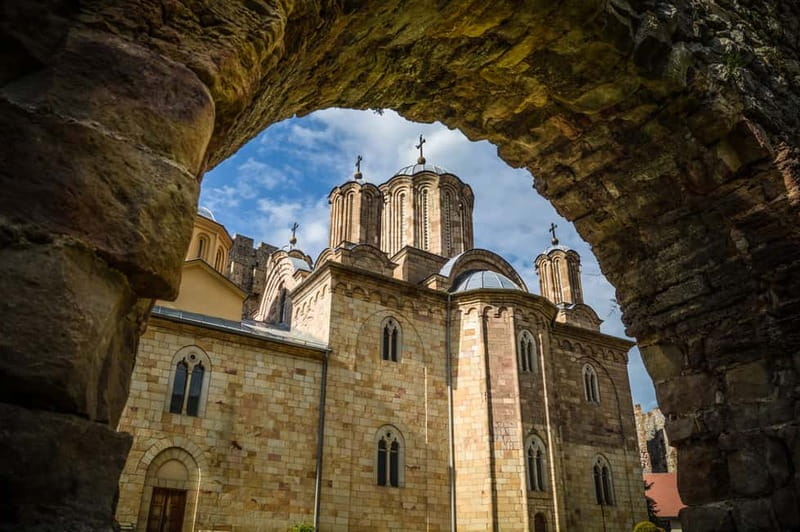
East Serbia earns the early start: Manasija, Lisine, Resava Cave.
A fortified monastery whose frescoes have survived six centuries, a waterfall you hear before you see it, and the calcite halls of Serbia’s grandest show cave. Most tours chain all three into one eastern loop — the ranking below sorts the ones that do it well.
- 1Gems of Eastern Serbia Tourfrom $123
- 2Gems of Eastern Serbiafrom $127
- 3Manasija Monastery and Resava Cave Tourfrom $106
What a day in Serbia costs.
Every tour on the site, sorted by what it actually costs. Belgrade’s best afternoons start at the price of a long lunch.
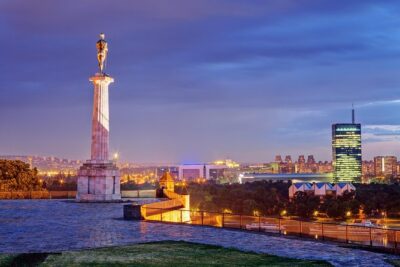
Walking tours, e-bike loops, sunset decks and pub crawls — most of Belgrade’s own classics live here.
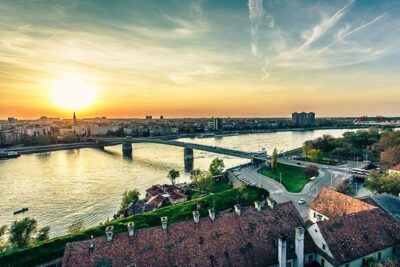
The big day trips: Novi Sad and the cellars, Golubac and the gorge, the eastern monasteries and the cave.
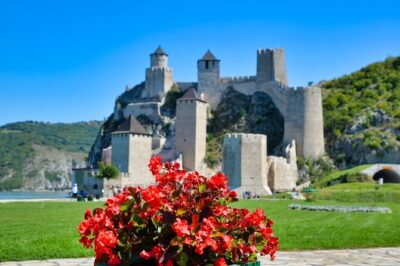
Private cars, boats on the Iron Gate and small-group days that cover half the country before dinner.
Only in Serbia.
Fortresses and wine roads you can find across the Balkans. The floating clubs, the house in the river and the railway that loops over itself belong to Serbia alone.
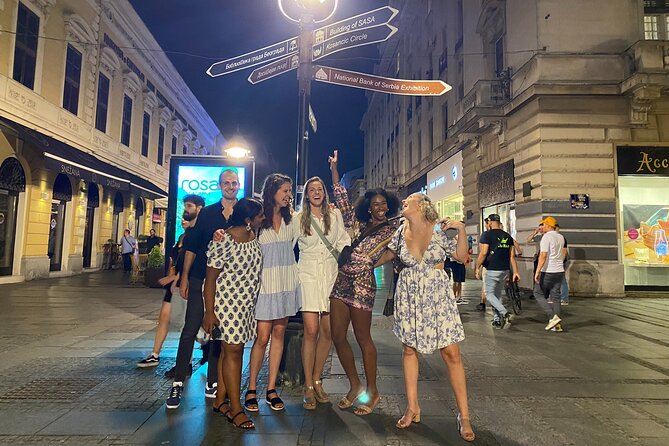
The Splav Night
Belgrade’s clubs float. The splavovi — rafts moored along the Sava and Danube banks — have carried the city’s nightlife for three decades, and in summer they run until the sun comes up behind Kalemegdan. The crawls below get you past the door lists and home again.
- 1Belgrade Nightlife Bar Pub Club Crawl with Drinks★★★★★★★★★★ 5.0 · 277 reviews
- 2RE:PLAY Pub Crawl Belgrade★★★★★★★★★★ 5.0 · 82 reviews
- 3Columbo Pub Crawl Belgrade★★★★★★★★★★ 4.0 · 49 reviews
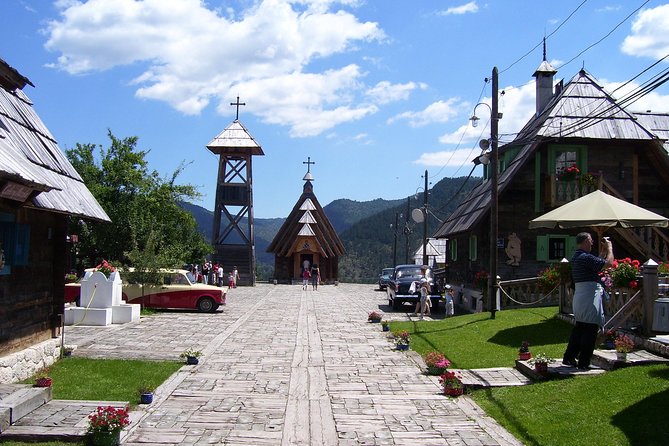
The Šargan Eight
When the narrow-gauge line at Mokra Gora could not climb the ridge in a straight line, its engineers drew a figure of eight and drove the track through the mountain in loops. The heritage run survives — slow, wooden-carriaged, absurdly scenic — with Drvengrad’s timber lanes a short hop above the station.
- 1Best of West (Drina House, Drvengrad and Sargan 8)★★★★★★★★★★ 4.7 · 195 reviews
- 2Šargan Eight Railway, Wooden Town & House on Drina river day trip from Belgrade★★★★★★★★★★ 5.0 · 107 reviews
- 3Best of West (Drina House, Drvengrad & Sargan 8)★★★★★★★★★★ 5.0 · 104 reviews
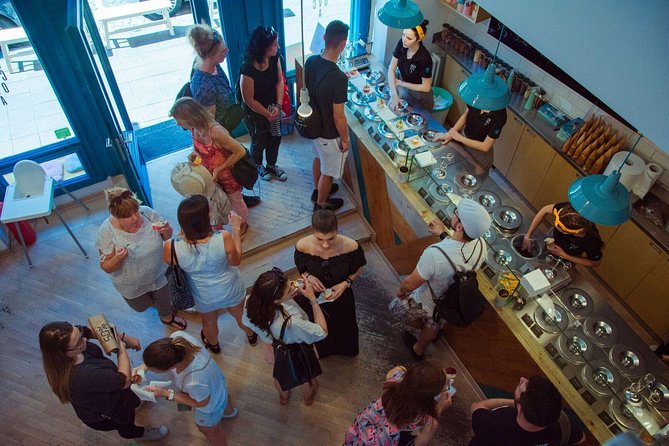
The Kafana Table
The kafana is Serbia’s living room: checked tablecloths, rakija before anything else, and no such thing as a quick meal. Skadarlija’s cobbled lane has been feeding poets and painters since the nineteenth century, and the food tours below all end up somewhere like it — arrive hungry, leave late.
- 1Food and culture tour in Belgrade★★★★★★★★★★ 5.0 · 139 reviews
- 2Culinary Tour – get to know the Serbian food. Come hungry!★★★★★★★★★★ 5.0 · 130 reviews
- 3E-Scooter CRAFT BEER and BREWERY Tour★★★★★★★★★★ 5.0 · 37 reviews
Book these before you land in Belgrade.
Most of Serbia can be booked from a kafana table the night before. These cannot — they run on train timetables, border queues and small vans that fill while you are still packing.
- 01Best of West (Drina House, Drvengrad and Sargan 8)The mountain train runs to a fixed timetable, not to demand — the whole loop is built around the morning departure.
- 02Golubac Fortress and Iron Gate Gorge TourThe gorge sits a three-hour drive east of Belgrade, so departures leave early and seats are van-limited. Weekends go first.
- 03Day Tour to Nis, Serbia with tickets and pick-upA real border, crossed twice in one day. You need your passport, and the queue — not the guide — decides the schedule.
- 04Iron Gate NP Tour with 1-hour speedboat ride + 2 viewpointsThe boat carries far fewer seats than the road tours it outruns. If you want the Iron Gate from the water, book it first.
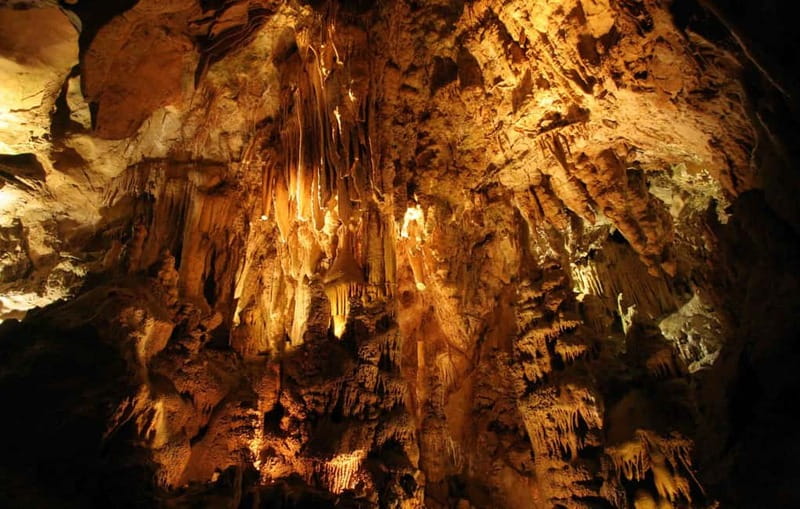
Serbia’s bad-weather plan is underground.
The košava — the cold wind that funnels up the Danube into Belgrade — can flatten a sightseeing day in autumn the way an August downpour can. The answers are below ground and behind cellar doors: the tunnels and wells under Kalemegdan, the barrel rooms of Sremski Karlovci, and Resava’s calcite halls an easy day east.
- 1Gems of Eastern Serbia Tourfrom $123
- 2Gems of Eastern Serbiafrom $127
- 3Belgrade Underground Tour w/ Sparkling Wine Along the Riverfrom $35
By region — down the river and out west
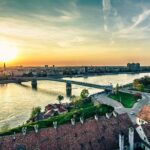 Belgrade190 tours
- Novi Sad & Sremski Karlovci26 tours
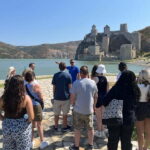 Golubac & the Iron Gate15 tours
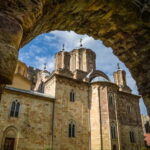 Resava & East Serbia10 tours
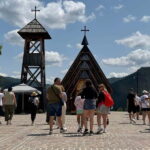 Tara & the Drina17 tours
- Mokra Gora & Šargan Eight14 tours
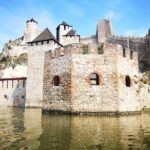 On the Danube9 tours
- Every corner of Serbia →
A first week in Serbia, reviewed stop by stop.
 Belgrade
The latest Serbia tour reviews.
Everything new →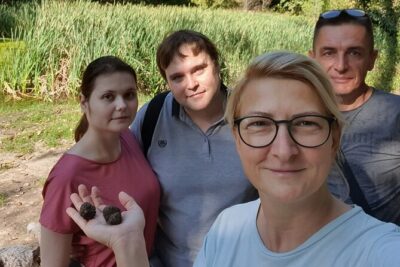
Private Guided Truffle Hunting Tour in Serbia with Lunch
Read our review →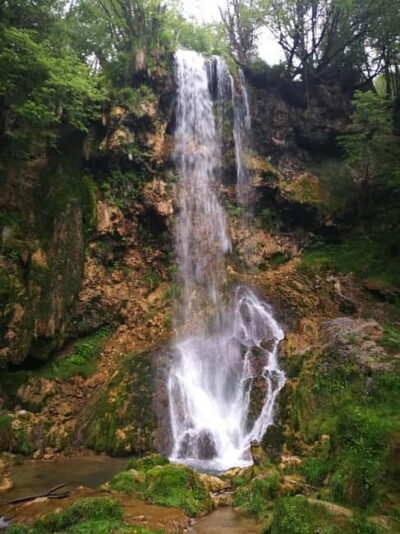
Zlatibor tour – Gold gondola, Stopic cave, Sirogojno & falls
Read our review →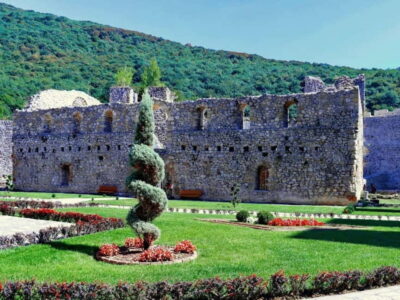
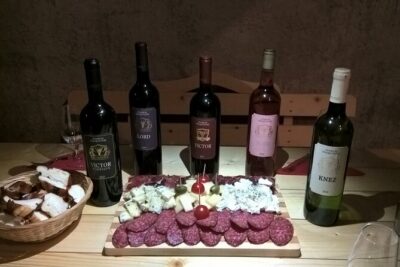
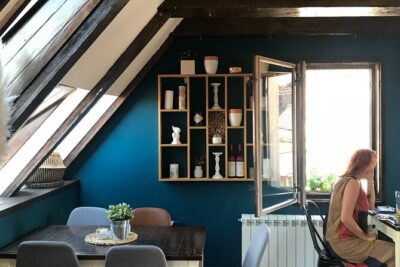
Private Half Day Serbia Tour Novi Sad and Petrovaradin Fortress
Read our review →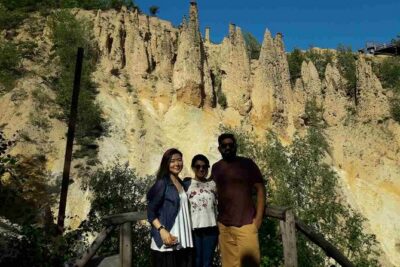

The White Emigration in Serbia in the Wake of the Russian Revolution
Read our review →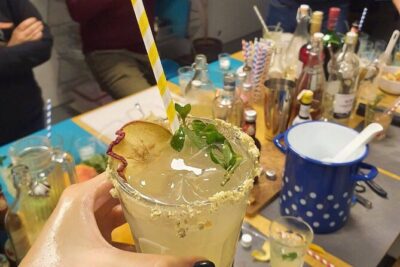
Belgrade center walking tour with Rakija, Cocktails and Burgers
Read our review →
Full-Day Private Royal Heritage Tour to Oplenac With a Winery Visit
Read our review →
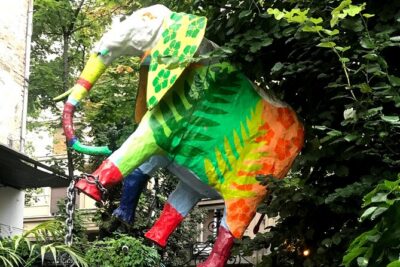
Private Belgrade Street Art and Adventures Walking Tour
Read our review →