
Reviewed · BELGRADE TOURS
Traditional Serbian Cooking Class in Belgrade with Locals
Belgrade has plenty of restaurants, but this is different. You cook in a local home in Ripanj, guided by Dragana, then you sit down to eat the meal you made. If you care about real routines and real food hands-on, this format fits.
Two things I like a lot are the hands-on Serbian recipes you learn from scratch, and the chance to add a Banjica Green Market walk if you book the optional tour. It is an easy way to connect what you cook with what you buy locally.
One possible drawback: you get no hotel pickup, so you’ll need to handle getting yourself to Ripanj on your own (no hotel pickup). If you hate transit hopping, plan ahead and give yourself buffer time.
Key Highlights You’ll Feel From Minute One
- Private class in Dragana’s home with only your group, in English
- 2 hours of real cooking plus time to bake bread and share the meal together
- Choose your main: prebranac, sarma, or pilav, depending on the menu and season
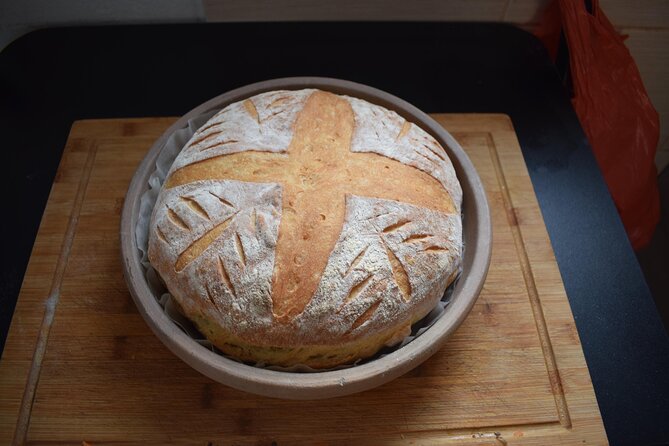
- Bake Serbian bread (proja and often hleb) so you leave with a skill, not just a plate
- Optional market tour with a garden stop in summer months and a guided walk at Banjica Green Market
- Small-kitchen reality: the setup works best with very small groups for comfort
Serbian Home Cooking in Ripanj: What This Really Is
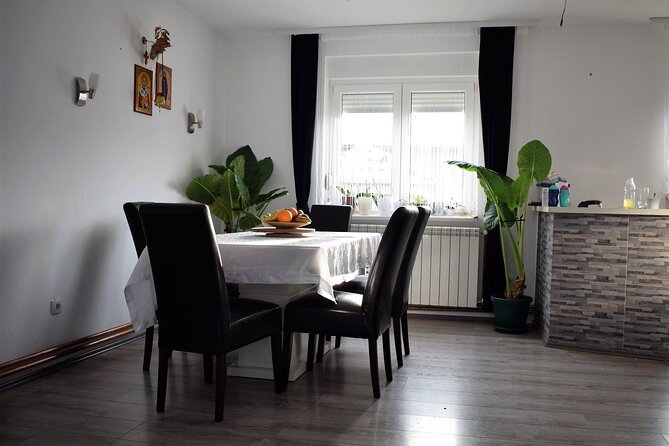
This is a traditional Serbian cooking class in Belgrade, but the important detail is where it happens. The kitchen is in Dragana’s home in Ripanj, a suburb of Belgrade. That means you’re not squeezing into a restaurant-like classroom. You’re moving at household pace, learning how someone actually cooks at home.
The class is private for your group and taught in English, which helps a lot when you want to understand technique, not just follow steps. Dragana teaches you how to make the main dish, how to bake their bread, and how to handle the flow of the meal from prep to table.
Also, you’ll be part of the finishing work. After cooking, you help set the table and share what you prepared. That last part matters because it changes the experience from a demo to a dinner you truly own.
One more practical note: the home kitchen is not a huge commercial space. Based on the way this class runs, I’d keep your group small. You will get more attention, and the kitchen will feel less cramped.
Filling out a Belgrade stay? Consider these too:
- From Belgrade: Novi Sad & Sremski Karlovci Full-Day Tour
★ 4.7 · 1,068 reviews - From Belgrade: Gems of Eastern Serbia Tour
★ 5.0 · 427 reviews - Northern Serbia: Sremski Karlovci and Novi Sad Full-Day Tour from Belgrade
★ 5.0 · 425 reviews
Your 3-Hour Flow: Cooking First, Market If You Want It
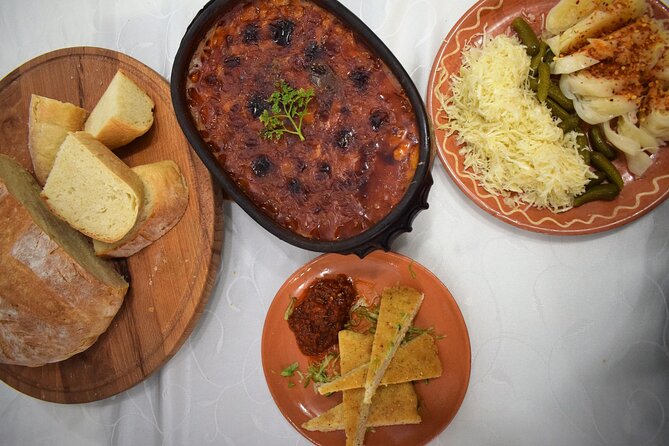
The experience runs about 3 hours total. Within that, you get around 2 hours of hands-on cooking. The remainder is for introductions, bread and starter prep, meal time, and any add-on market movement.
If you choose the optional market tour, the structure is simple and logical:
- You start with a garden visit at Dragana’s place in the summer months (you’ll see the vegetables she grows)
- Then you walk to Banjica Green Market, an open-air farmers market
- You shop with your guide, who steers you toward good produce and favorite vendors
- You return home and the cooking continues
If you skip the market portion, you still get the full cooking and dinner. That version is ideal if you’re short on time, not feeling walking, or you’d rather keep focus on learning how the dishes are made.
Either way, you’ll leave with a plate full of food plus a clearer sense of how Serbian meals come together: bread, a hearty main, supporting starters, and dessert.
The Main Dish: Prebranac, Sarma, or Pilav (Choose Your Comfort)
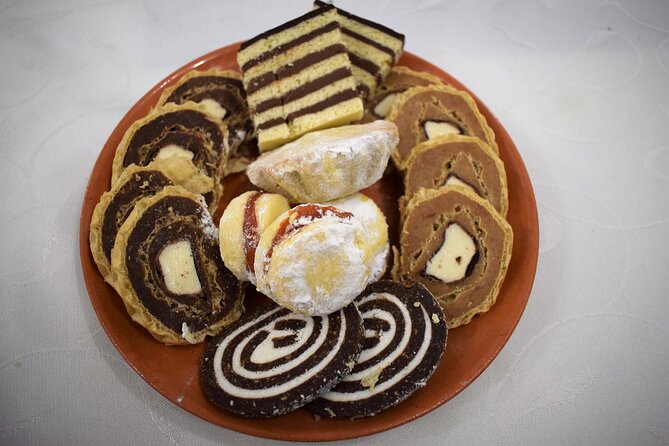
You’ll learn to make one main dish from scratch. Depending on the menu choice and what’s available, it’s usually one of these:
Prebranac (Baked Beans)
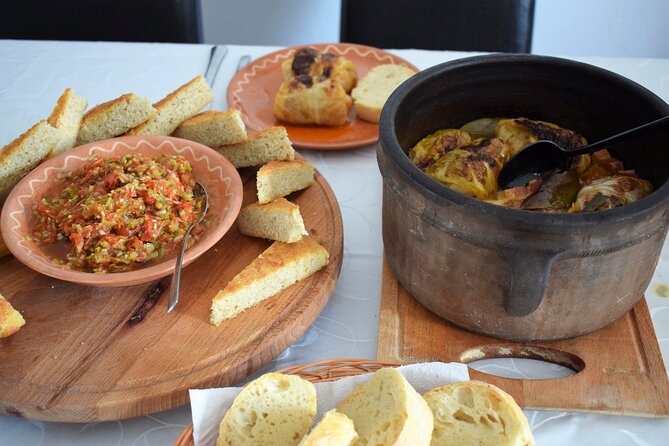
Prebranac is a baked-beans style dish that feels sturdy and comforting. In the class menu, it’s paired with an appetizer lineup that may include suvi vrat (smoked meat), kajmak (clotted cream), and ajvar (eggplant and bell pepper dip). That combo is a clue to the flavor logic in Serbian home cooking: smoky, creamy, and tangy with a deep vegetable backbone.
You’ll learn the process of preparing the bean base and baking until it transforms into a dish that feels cohesive, not watery.
Leave Belgrade for a day, differently:
- Day Trip from Belgrade: Gems of Eastern Serbia
★ 5.0 · 424 reviews - Belgrade: Sunset Cruise with Live Guide
★ 4.4 · 418 reviews - Western Serbia 1-Day Tour of the Key Sites from Belgrade
★ 4.8 · 333 reviews - Belgrade Nightlife Bar Pub Club Crawl with Drinks
★ 5.0 · 277 reviews
Sarma (Serbian Stuffed Cabbage)
Sarma takes more patience. Stuffed cabbage is the kind of dish that rewards slow steps and careful assembly. In the class menu, sarma can come with an appetizer like trljanica, a salad.
If you like food that tastes even better when it’s been cooked a while, sarma is a great choice. It also gives you a real feel for how structured Serbian cooking can be, not just “throw it in and hope.”
Pilav (Rice)
Pilav is the lighter, more approachable option on paper, and it still feels hearty. In the class menu, pilav pairs with an appetizer such as a dumpling soup.
Learning pilav is useful because it teaches you how to build a rice dish that works as a main, not just a side. It’s also a good pick if you want something that’s easier to repeat later at home.
No matter which main you choose, the value here is technique. You’re not just eating the dish, you’re understanding how it comes together step by step in a real kitchen.
Bread Is Part of the Lesson: Proja and Hleb
One of the most satisfying parts of this class is that you don’t only cook the main. You’ll bake their famous bread, and bread is not a random add-on in Serbian meals.
Proja is traditional Serbian cornbread. Hleb is a flatbread option that shows up in the menu choices. In the class flow, you’ll help with baking bread as the meal takes shape.
Why this matters for you: bread is often the difference between a meal that’s just tasty and a meal that feels complete. When you learn how proja or hleb fits into the table, you’ll be able to recreate that “Serbian dinner” feeling later, even if you just make one dish.
In the menu structure, starters can include proja, hleb, or a seasonal salad, and the meal often includes bread and salad alongside the main and dessert.
How the Whole Meal Works Together (It’s Not Random)
This class menu is built to teach you the rhythm of a home meal. You get a starter choice, you get your main, you get a specific appetizer pairing, and dessert follows.
Here’s how the menu pieces line up in the way you’ll experience them:
- Starter: choose one option (proja, hleb, or seasonal salad), typically served with salad, bread, and dessert
- Main and appetizer: each main menu option includes its own appetizer pair
- Prebranac can come with smoked meat, kajmak, and ajvar
- Sarma can come with trljanica salad
- Pilav can come with dumpling soup
- Dessert: sitni kolaci, which are sweet cookies
The lesson for you is practical. You’ll see how Serbian meals build layers of flavor: creamy and smoky with ajvar on one night, fresh salad elements on another, and a dessert that ends the dinner without needing to be complicated.
Also, the menu can vary by season. That’s not a downgrade. It usually means you’ll cook what’s actually working with the season and what’s available.
Optional Banjica Green Market: Shop Like a Local (Not Like a Tourist)
If you love food and you’re the type who actually looks at what people buy, the optional market tour is worth it.
You visit Dragana’s garden in summer months, then you head to Banjica Green Market. This market is described as spacious and open-air, and farmers sell a mix of everyday essentials: fresh fruits, vegetables, meat, eggs, seafood, and local food.
What you’ll get from the guided shopping is the useful part. Your host and guide take you to their favorite vendors and teach you how to pick better produce. That’s the difference between wandering and learning.
Then you shop, and you go back to the home kitchen. This is one of those travel moments that sticks because you feel the connection between ingredients and the final meal.
If you’re booking the market option, wear comfortable shoes and expect some walking. It’s not a museum stop. It’s a working market.
Price and Value: Is $104 Worth It?
At $104 per person, this doesn’t look like a bargain cooking demo. But you’re paying for a real, private home experience with multiple components built in.
Here’s what’s included:
- A private cooking class in Dragana’s home
- A home-cooked meal based on what you help prepare
- All fees and taxes and gratuities included
- Optional market tour if you choose it
And important: there’s no hotel pickup, so you should factor transport time and cost into your planning. The price is still reasonable for what you get because you are not paying separately for a driver, a restaurant meal, and a teaching guide. You get the whole package in one sitting.
The best value is for small groups who want attention and a genuine meal. If you’re traveling with friends and you can keep the group tight, the comfort level improves, and the teaching time feels more personal.
Who This Class Fits Best (And Who Might Be Happier Elsewhere)
I think this class is strongest for:
- Food lovers who want technique and not just a plate
- Couples and small groups who like a private experience
- Travelers who enjoy connecting markets and cooking, especially if you choose Banjica
- People who appreciate a home setting and a host who can explain what’s on the table in English
It might be less ideal if you want:
- A big, theatrical production with lots of people and cameras
- A class where you can freely blend in with a large crowd
- Easy, zero-planning logistics. You’re responsible for getting to Ripanj.
And since the kitchen is a home kitchen, keep your expectations aligned with that. The most comfortable version of this experience happens when the group is small enough for everyone to work and ask questions.
Practical Tips Before You Go (So You Enjoy It More)
A few things will make this go smoothly:
- Tell the organizer about allergies or dietary restrictions when you book. They can offer vegetarian or vegan meals on request, and the menu may vary by season.
- Plan how you’ll reach Avalska, Ripanj. There’s a note that it’s near public transportation, but you still should map your route ahead of time.
- Bring curiosity. Ask why certain ingredients pair together, especially items like ajvar, kajmak, and smoked meat. Those combinations are part of the Serbian flavor logic you’ll taste in the meal.
- Wear clothes you can work in. You’ll be cooking, and it’s a home kitchen environment.
If you do those things, you’ll get far more than a meal. You’ll understand how the dish fits into the overall dinner.
Should You Book This Serbian Cooking Class in Belgrade?
Book it if you want a true home-cooking experience in Belgrade that goes beyond eating. You’ll bake Serbian bread, cook a main like prebranac, sarma, or pilav, and sit down to the meal you made. The optional market tour adds extra value if you love ingredients and shopping with a guide.
Skip it if you can’t get yourself to Ripanj and you need hotel pickup, or if you want a large group party vibe. This is personal, intimate, and focused on the kitchen work.
If you’re the kind of traveler who remembers meals because you helped make them, this is an excellent choice.
FAQ
Where does the experience start and end?
It starts at Avalska, Ripanj, Serbia, and ends back at the same meeting point.
How long is the cooking class?
It lasts about 3 hours.
Is hotel pickup included?
No. Hotel pickup and drop-off are not included.
What dishes will I learn to cook?
You’ll make two dishes from scratch. You can choose a main such as prebranac (baked beans), sarma (stuffed cabbage), or pilav, and you’ll also bake Serbian bread like proja, plus a starter such as proja, hleb, or seasonal salad, depending on the menu.
Is the class offered in English?
Yes, it is offered in English.
Can dietary restrictions be accommodated?
Yes. If you share your allergies, dietary restrictions, or cooking preferences when booking, the host can offer vegetarian and vegan meals on request.
Is free cancellation available?
Yes. You can cancel for a full refund up to 24 hours in advance of the experience start time.
Latest write-ups around Belgrade
- Private Half Day Serbia Tour Novi Sad and Petrovaradin Fortress★ 5.0 · 3 reviews
- Private Wine Tasting by Party in Belgrade★ 5.0 · 3 reviews
- Private Walking Tour of Belgrade and Old Zemun★ 5.0 · 3 reviews
- Belgrade: The White Emigration in Serbia in the Wake of the Russian Revolution★ 5.0 · 3 reviews
- From Belgrade: Private Nis and Devil’s Town Full-Day Tour★ 4.0 · 4 reviews
- Belgrade center walking tour with Rakija, Cocktails and Burgers★ 5.0 · 4 reviews
- From Belgrade:Uvac Nature Reserve Tour★ 5.0 · 4 reviews
- Full-Day Private Royal Heritage Tour to Oplenac With a Winery Visit★ 5.0 · 4 reviews
Belgrade Tours, side by side.

Sremski Karlovci and Novi Sad Full-Day Tour from Belgrade
Read our review →


Western Serbia 1-Day Tour of the Key Sites from Belgrade
Read our review →
Belgrade Nightlife Bar Pub Club Crawl with Drinks
Read our review →
The lists this tour appears in