Reviewed · TOURS
Small Group Balkans Tour; Belgrade to Athens or Corfu in 14 Days
This is interesting because it connects seven countries in 14 days, with UNESCO sites, fortress views, and Ottoman and Austro-Hungarian layers that you can actually see. I love the small-group feel (max 10 people) and the way the route hits major highlights without turning every day into a blur. The main drawback to plan for is the long travel days and early starts, plus you are not getting lunch or dinner included.
I also like that the experience is guided in a hands-on way. In past trips, people specifically praised guides such as Eri Veseli, Bledi, and Sokol for steering the day and explaining what you are looking at, and it sounds like the company checks in with names like Brikena and Sirma. If you hate lots of border crossings and you want fully independent pacing, this might feel a bit full.
Key things I would circle on the map
- Max 10 people keeps the pace manageable and the guide interaction real
- UNESCO-heavy route, from Mostar and Kotor to Ohrid and Meteora
- War-era context in Sarajevo, not just pretty streets
- Slow-food farm stop plus castle and bazaar time in Kosovo and Albania
- Flexible ending in Athens or Corfu, with ferry tickets included
A small-group Balkans route that stitches cultures together fast

This tour is for people who like big swathes of geography, but still want structure. You start in Belgrade, then work your way through Serbia, Bosnia and Herzegovina, Montenegro, Albania, Kosovo, North Macedonia, and end in Greece. It is not a single-country trip where you unpack once and stay put. Instead, you ride the rhythm of the Balkans, where cities, faiths, empires, and languages sit close together.
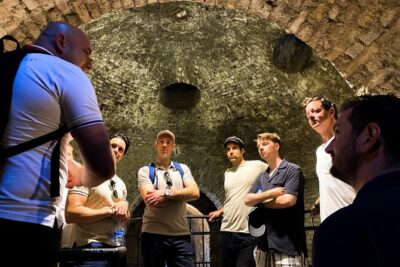
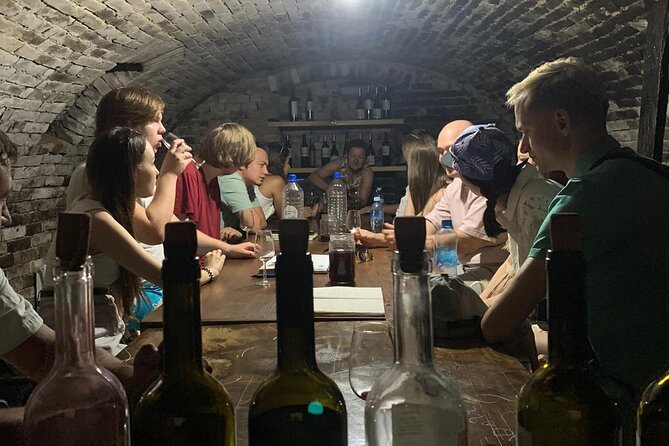
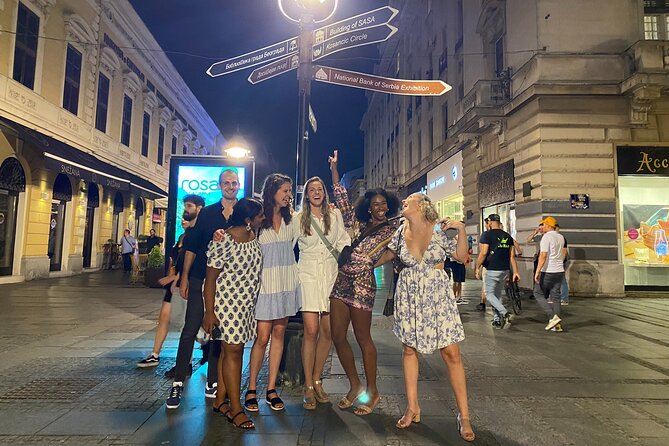
You are traveling in a small group of up to 10. That matters. On routes like this, group size can change everything: it affects how often you can ask questions, whether you can step away briefly for photos, and how calmly the day moves when a bus needs to park or a border line slows down.
One more practical note that I appreciate: pickups and drop-offs are handled. You get hotel pickup in Belgrade, and at the end your guide drops you in Athens or at Igoumenitsa Port for the ferry to Corfu (ferry tickets included). That reduces the stress at the ends of the trip, when logistics are usually the hardest.
Filling out a Belgrade stay? Consider these too:
- From Belgrade: Novi Sad & Sremski Karlovci Full-Day Tour
★ 4.7 · 1,068 reviews - From Belgrade: Gems of Eastern Serbia Tour
★ 5.0 · 427 reviews - Northern Serbia: Sremski Karlovci and Novi Sad Full-Day Tour from Belgrade
★ 5.0 · 425 reviews
Belgrade Fortress, Kalemegdan, and a first taste of river-city power

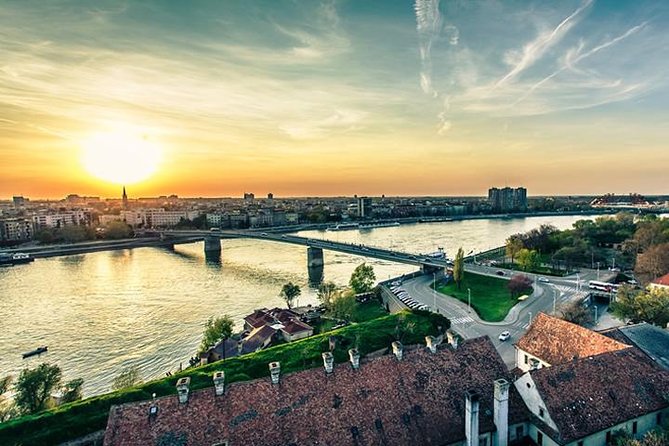
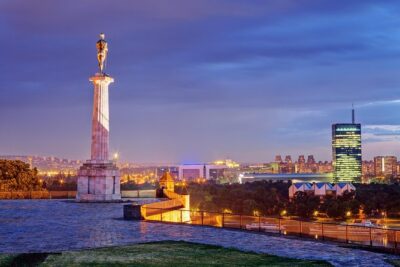
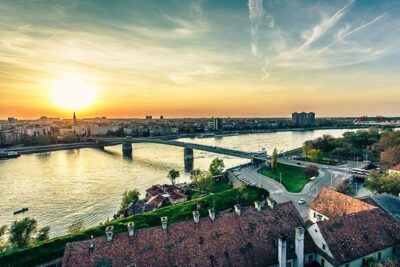
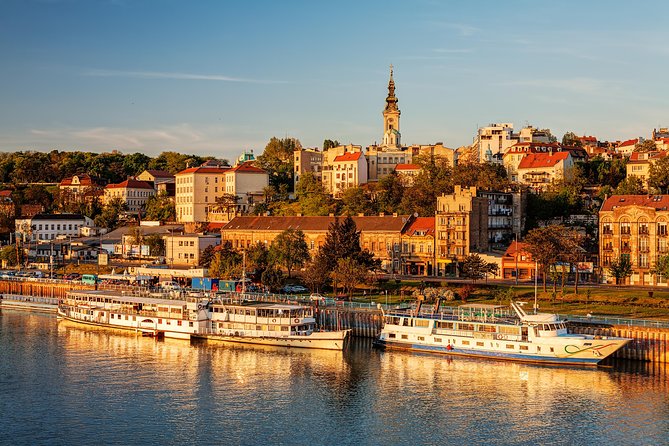
Day one begins with pickup from your Belgrade hotel. After that, the focus is on getting your bearings fast in the city that sits at the confluence of the Sava and Danube rivers. The tour visits the Belgrade Fortress and Kalemegdan Park, then walks toward central landmarks.
What I like here is the mix of views and streets. At the fortress, the city opens up in a big panorama, the kind of scene that makes you understand why Belgrade has been fought over for centuries. In Kalemegdan Park, you get a breather before moving into the urban core.
The walk continues past Knez Mihailova, Belgrade’s social hub, and reaches Republic Square. It is a simple route on paper, but it helps you transition from scenic viewpoints to the feeling of a real working city.
This is also one of those days where you should expect a slightly “intro to the region” tone. You are not only sightseeing. You are setting up the themes of the entire trip: fortresses, bazaars, mixed architectural styles, and the way rivers and trade routes shape life.
Zvornik on the Drina, then Sarajevo’s streets with bullet-hole memory
After Belgrade, the route heads to Zvornik on the Drina River. The stop is built for light exploration, including free time for lunch. I like this kind of pause because it breaks up the intensity of bigger cities. Zvornik also gives you a sense of how the Drina is not just a name from history books, but a working river cutting through everyday geography.
Then you move onward to Sarajevo, where the tone shifts. The tour includes time for a walking visit that acknowledges uneven terrain and the visible reminders from the Yugoslav War, including bullet holes and cannon marks around town. This is not a “happy postcard only” stop, and that is the point. You see how modern life and conflict-era scars coexist.
The Sarajevo portion includes the Ottoman and Austria-Hungarian parts of the city, plus the idea of the city as a meeting point of faiths, with markets and bazaars, mosques, churches, and synagogues. Even if you only take in parts of this with the pace of a group, it gives you a framework to understand the architecture you see next.
You also visit the Latin Bridge, where the assassination that sparked World War I happened. It is one of those places where a short stop can add context that makes the rest of Europe feel more connected.
Mostar’s Stari Most and Kotor’s maze of old stones

From Sarajevo, the next big jump is Mostar. The star here is, of course, the Old Bridge (Stari Most), a UNESCO site. The bridge itself is the headline, but I like that the experience also includes time in the Old Bazaar area, where you can wander the cobbled lanes and see the city’s mix of old mosques, Turkish bazaars, and the “old with the new” reality you feel as you walk.
Mostar can feel emotionally heavy for some people because the city’s past is complicated. Still, it is also one of the most visually satisfying stops on the Balkans, especially if you like places where history is right there in your path, not separated into a museum room.
After that, you head to Kotor in Montenegro, another UNESCO highlight. In Kotor, the old town is a maze of narrow, cobblestone streets. The tour explains the street plan as designed to confuse intruders, which gives you a reason for the twists beyond the simple idea of chaos.
Kotor also includes Saint Luke’s church. And you get afternoon time to explore on your own. I like that you are not scheduled wall to wall. You can pause, grab a snack, and take your time with the view points and plaques that mark building dates and original uses.
Leave Belgrade for a day, differently:
- Day Trip from Belgrade: Gems of Eastern Serbia
★ 5.0 · 424 reviews - Belgrade: Sunset Cruise with Live Guide
★ 4.4 · 418 reviews - Western Serbia 1-Day Tour of the Key Sites from Belgrade
★ 4.8 · 333 reviews - Belgrade Nightlife Bar Pub Club Crawl with Drinks
★ 5.0 · 277 reviews
Budva and Sveti Stefan, then Shkoder and Rozafa Castle views

In Montenegro on the next day, you visit Budva, with time in the old town and then a look at the split between the new and the old. The old section is where you can visit churches such as St. Ivan and the small church of St. Mary, while the newer area gives you a contrast of modern bars, offices, and shopping.
From there you stop near Sveti Stefan for a viewpoint. The island portion has become an exclusive resort, but the shoreline view is still worth it for the postcard effect and because it sets up the rest of your Adriatic experience.
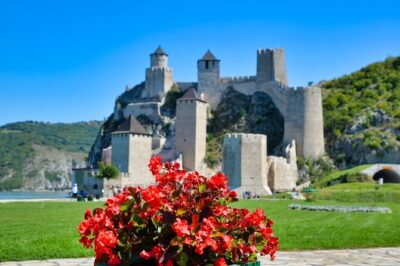
The next destination is Shkoder, Albania, in the north-west, where you also get a setting for lakes and rivers merging toward the sea. You visit Rozafa Castle, which sits above big scenery connected to the lake system and river junctions. Even with a group schedule, it is the kind of spot where the view does the teaching. You get the geography that shaped defense and settlement.
The tour also touches on the castle’s deep timeline, including ancient references and the mix of influences in the city’s architecture, including Venetian style.
Mrizi i Zanave slow food, and why this break matters

One of the nicest pacing decisions on this route is a stop at Mrizi i Zanave, an agro-tourism slow-food restaurant and farm. This is not only about eating. It is about how food connects to jobs and preservation of regional products.
You get a farm tour and learn how the business adapted old communist buildings for storage of bio products. Then you get free time to enjoy a traditional lunch or buy produce. Lunch is not listed as included, but the time is there if you want to pay for a meal that feels rooted instead of mass-produced.
If your travel style is one where food is part of culture and not just refueling, this stop is the kind that makes the trip feel different.
Kosovo highlights: Prizren’s mosques and fortress views, plus Decan and Rahovec

In Prizren, the tour spotlights the city as a cultural capital with religious tolerance and a river running through the old town. You visit Sinan Pasha Mosque, known for its colorful arabesque patterns, plus Kalaja Fortress for a panorama view over the city.
Prizren is also where the rhythm changes into “wander and notice.” The old streets, bridges, and the way the city sits in relation to nature make it a good place to slow down and observe, even within a guided day.
Next, you head to Gjakova, famous for its bazaar. The stop includes time to see the rebuilt market and browse traditional handmade crafts. It is also a practical “meal stop” style day, because there is time to eat locally, not just look.
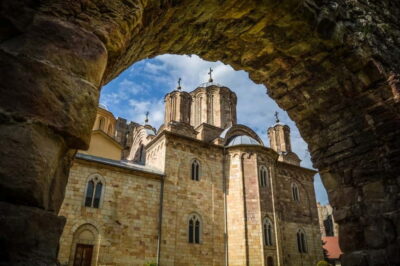
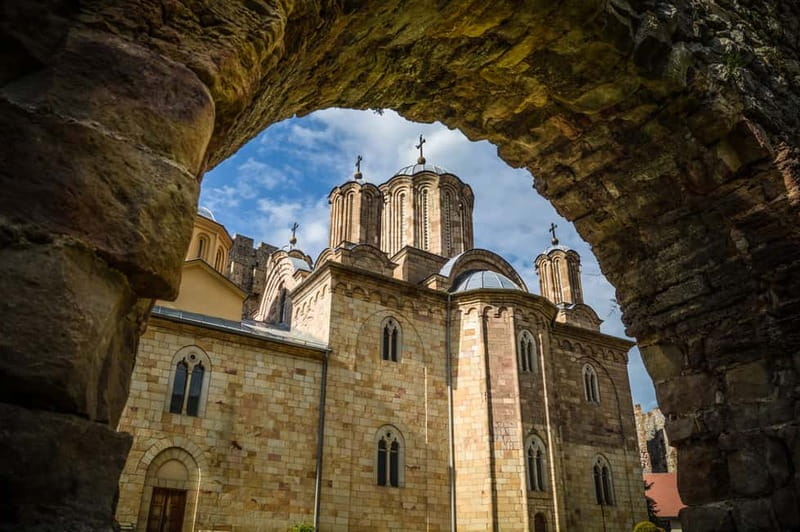
Then comes a big UNESCO-related spiritual site: the Monastery of Decan. The monastery’s white exterior is part of the first impression. What stands out in the description is that monks still inhabit it and make organic food such as cheeses. You also get the fresco focus, and that it became UNESCO part due to 14th-century frescoes and a Byzantine painting shift.
Finally, the route includes Rahovec Valley, known for viticulture. You learn about grape cultivation going back thousands of years, and you visit with valley scenery in mind. There is also mention of a wine festival each September, which helps you time the region if you ever return.
Kruja and Tirana: medieval bazaar browsing to coffee and Bunk’Art 2

Albania’s pacing shifts in a good way. The trip moves from castles and fortresses into a food and street-life day format.
In Kruja, you visit the Medieval Old Bazaar, with wooden houses and narrow streets that bring the Ottoman resistance story into focus. There is time to shop for souvenirs, including carpets and handmade jewelry.
You also visit the castle of Kruja, placed high on a hill and linked to hidden paths used by locals during sieges. That detail is small, but it turns the castle visit from scenery into strategy.
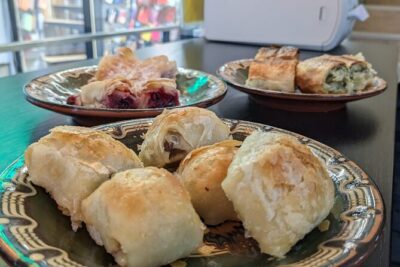
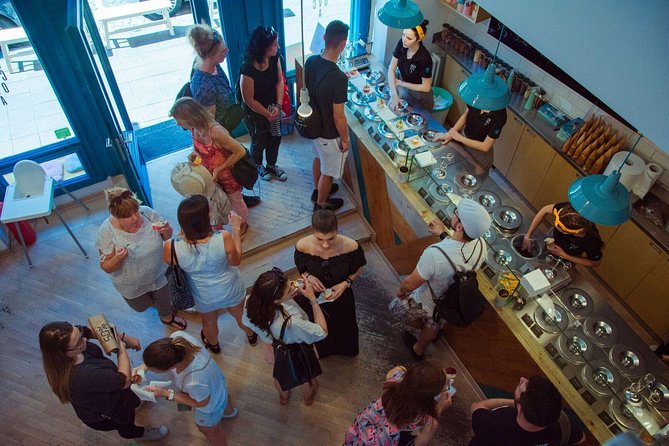
Then you land in Tirana, where you do a guided food and neighborhood walk with a local companion. The tour includes a breakfast stop built around byrek, plus time in Çam Bazaar, tied to the Çam community. After that, you get coffee culture time, including tasting traditional Albanian coffee.
The day also includes Pazari i Ri, described through markets like the Bicycle Bazaar and the New Bazaar, where you try lunch items such as qofte and possibly vegetarian alternatives like Albanian gjize with bread. The day also includes an Albanian raki tasting.
And for a historical contrast that many people love, you visit BUNK’ART 2. The museum is housed in a former nuclear bunker linked to Enver Hoxha and the communist elite. You also learn how it was hidden from the public until it opened as a museum project.
This is a lot for one day, but it is structured so you alternate between food, streets, and one larger “context museum” stop that helps tie it together.
Ohrid and St Naum: UNESCO lake life with calm water source moments

North Macedonia brings a softer tempo. You stop first in Struga, then continue to Ohrid, a UNESCO World Heritage site. The tour includes viewpoints and visits to important religious buildings, including St. John’s viewpoint area, St. Nicolas, and Halveti Hayati Tekke mosque.
What I like about Ohrid in this format is how it combines historic centers with lake-level feeling. Even if you do not spend hours sitting, you get the sense that Ohrid is old and continuous, not a show built for tourists.
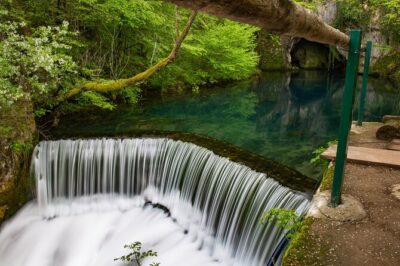
Next, you visit St Naum Monastery at the source of the Crni Drim River. The description emphasizes the crystal-clear spring water and protected nature setting, plus time to take it all in. St Naum is included with admission, and you can feel why this stop works as a “reset” before the road trip continues.
After that, the route briefly crosses back into Albania and stops at Tushemisht, described as a hidden nature and hospitality stop, and then Drilon National Park with springs forming a small lake and weeping willows along the shoreline. This is the kind of break that keeps you from feeling like the trip is only cities and monuments.
Berat’s 1001 windows and Gjirokaster’s Stone City feel
In Albania again, you reach Berat, known as the city of 1001 windows, and part of UNESCO. The tour walks through narrowed stone streets and includes time at Berat Castle, which sits above the town. You also visit National Iconographic Museum Onufri, tied to the painter Onufri and his reddish color tradition, plus a visit to Gorica Bridge.
I like Berat because it feels livable. People still live inside the castle walls, and the architecture on steep hillsides makes it feel like the town grew upward because of defense, not because it was planned that way for looks.
Then you go to Gjirokaster, also UNESCO, nicknamed the Stone City. You get the “fortified houses” feeling where every home resembles a fortress. The tour includes time in the Gjirokastra bazaar, before going toward the castle area.
Gjirokaster is a strong choice for anyone who likes towns where stone dominates the visuals. It also gives you a break from beach and river scenes, so the whole trip feels balanced.
Ioannina and Meteora: old streets, then rock-top monasteries at sunset
By the time you reach Greece, the trip starts feeling like a grand finale.
In Ioannina, you stroll cobbled streets and see the Byzantine and Ottoman era architecture mixed into everyday life. You also visit Ioannina Castle, with narrow internal streets and historic buildings, plus cafes and Greek food time.
Then comes Meteora, UNESCO, where monasteries sit atop tall rock formations. The big payoff here is time aimed toward one of the best views of the whole trip: sunset over the rocks. If you care about photography, this is your moment. Even if you do not, it is still a “hold your breath” scenery stop.
On the final day, you either end in Athens with a hotel drop-off or you continue to the port for the ferry to Corfu. The ferry tickets are included. That choice turns this tour into either a mainland finish or an island finish, depending on what mood you want for your last days.
Price and logistics: what $4,833.96 buys you, and what it does not
At $4,833.96 per person for about 14 days, you are paying for a lot of work that would be hard to DIY: professional guidance, transport over multiple borders, hotel 3-star accommodation with breakfast, and admission tickets for the sites that are visited.
Let’s translate the included list into real life:
- You have BB on all overnights, with breakfast included 13 times
- You have entry tickets for sites that are part of the program
- You have tourist taxes and insured road travel handled
- You have hotel pickup in Belgrade and end-of-trip drop-off in Athens or at Igoumenitsa Port, with ferry tickets to Corfu included
What you should budget separately:
- Lunches and dinners, plus drinks and snacks
- Souvenirs and personal spending
- Anything not specifically listed as included
Value is not just the total price. It is the fact that you do not have to coordinate schedules across seven countries, or line up guide explanations for places like Latin Bridge, Stari Most, Kotor, Ohrid, and Meteora. You pay for that brainpower and the time saved.
Guide quality and group size: why this tour often feels well-run
Past participants have praised guides by name, including Eri Veseli, Bledi, and Sokol, calling out professionalism and knowledge of the history across the places visited. People also described the planning as detailed, and they complimented hotels and the way the trip ran day to day.
I also think the max-10 size explains a lot of that satisfaction. When the group is small, the guide can adjust pacing, keep an eye on timing, and make sure nobody feels lost.
Tip-wise, the tour info says tips are not a must in the Balkans, but it is recommended to tip the tour leader or driver as an international practice for good service. That is a fair way to handle it.
Who should book this Belgrade to Athens or Corfu tour
This tour fits best if you want:
- A guided run through Serbia, Bosnia, Montenegro, Albania, Kosovo, North Macedonia, and Greece
- UNESCO sites plus bazaars and fortresses in one trip
- Structured days with enough free time to wander, especially in places like Kotor and at bazaar stops
- A finish in either Athens or Corfu, depending on how you want your last days to feel
It may not fit if:
- You prefer slow travel and want fewer borders
- You dislike walking on uneven terrain, since the Sarajevo day includes uneven ground
- You need all meals included, because lunch and dinner are not part of the package
Should you book it?
Yes, if you want a well-organized “big map” trip with a human guide, and you like connecting the dots between empires, faiths, and modern life in the same streets. It is also a strong choice if you want UNESCO highlights without spending weeks planning routes and ticket entry sequences.
Skip it if you feel drained by constant movement, or if you want a purely beach and leisure trip, because this is a history and town-walking route with scenic viewpoints and daily transit.
FAQ
FAQ
How big is the group?
The tour has a maximum of 10 travelers.
What time does the tour start?
The meeting start time is 8:00 am.
Do I get pickup and where do I end the trip?
There is hotel pickup in Belgrade. At the end, you are dropped off in Athens or at Igoumenitsa Port, depending on the option, with ferry tickets included to Corfu.
Is breakfast included?
Yes. The package includes BB for all overnights, with breakfast listed as included 13 times.
Are entry tickets included?
Yes. Entry tickets for the sites that will be visited are included.
Are lunch and dinner included?
No. Lunches, dinners, drinks, and snacks are not included.
Is the ferry to Corfu included?
Yes. If you choose the Corfu ending, ferry tickets are included as part of the drop-off at Igoumenitsa Port.
Do I need to pay tourist taxes during the trip?
Tourist taxes are listed as included.
Is the price refundable if I cancel?
This experience is non-refundable and cannot be changed for any reason.
Can most people participate?
The information provided says most travelers can participate. You still need your own health or travel insurance.
Latest write-ups around Belgrade
- Belgrade Private Layover Tour With Return Airport Transfers★ 5.0 · 6 reviews
- Private Night Tour in Novi Sad in Style★ 5.0 · 6 reviews
- Belgrade Private City Tour – Metropolis Between East and West★ 5.0 · 6 reviews
- 3 Hour Private Walking Tour in Novi Sad City★ 5.0 · 6 reviews
- Belgrade Party Pub Crawl★ 5.0 · 6 reviews
- Belgrade Layover Private tour + E-Scooter Sighteeing★ 5.0 · 6 reviews
- Belgrade Highlights and Avala Mountain Tour★ 5.0 · 6 reviews
- Belgrade Insight Private Tour – For Those Who Seek Answers★ 5.0 · 6 reviews
Tours, side by side.

Sremski Karlovci and Novi Sad Full-Day Tour from Belgrade
Read our review →
Western Serbia 1-Day Tour of the Key Sites from Belgrade
Read our review →
Day Tour to Nis, Serbia with tickets and pick-up
Read our review →
Belgrade Big Tour: Top Attractions and Belgrade Neighborhoods
Read our review →The lists this tour appears in