
Reviewed · NOVI SAD & SREMSKI KARLOVCI DAY TRIPS
From Novi Sad: Sremski Karlovci and Krusedol Monastery Tour
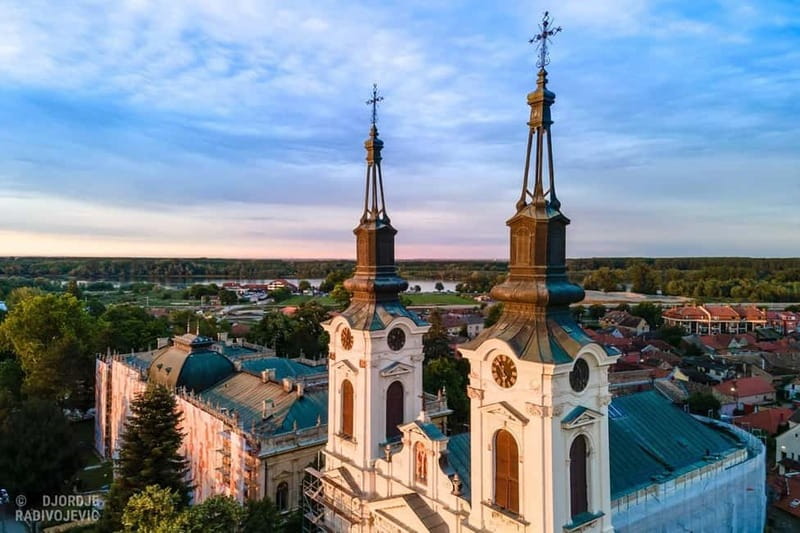
Sremski Karlovci is a Baroque town that feels calmer than its reputation, and then you jump into Fruška Gora, where monasteries and mountain views do the talking. The day has a fun curveball too: you taste Bermet wine, famous enough to be linked to the Titanic.
I especially like how the tour strings together the big names you should know, Four Lion Fountain and Karlovci Gymnasium, then backs them up with stories you can actually picture. I also love the balance of town stops and sacred sites, so you get architecture and atmosphere, not just checklists.
The one caution is timing: with photo stops, guided walking, and monastery viewing, it’s a lot to fit in a 3 to 5 hour window. Bring comfortable shoes and a camera, and don’t plan a long, heavy dinner right after.
Key highlights at a glance
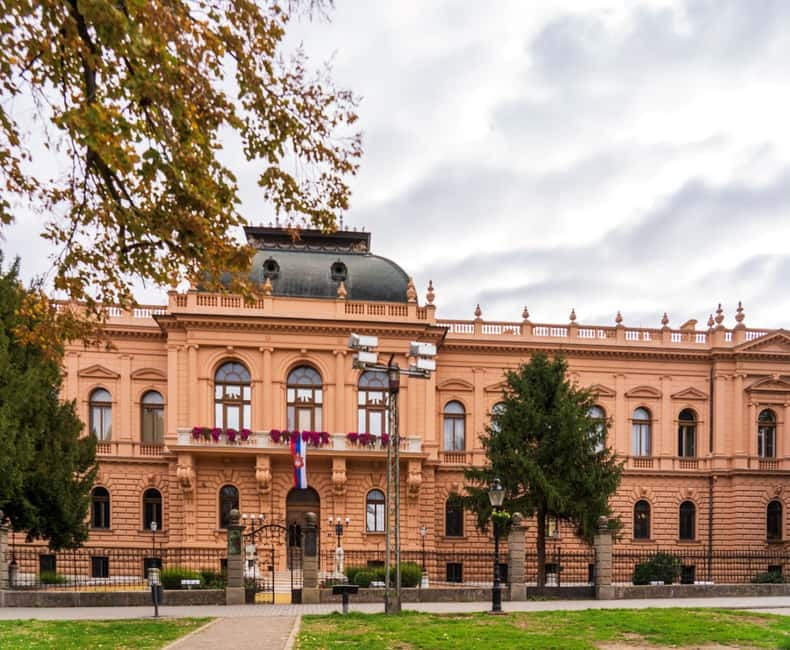
- Sremski Karlovci Baroque highlights: Four Lion Fountain, St. Nicholas Church, Karlovci Gymnasium, and more in one guided pass
- Chapel of Peace round table story: a small stop with a big language origin payoff
- Bermet wine tasting: a signature Serbian wine with a very unusual celebrity link
- Krušedol Monastery on Fruška Gora: major Orthodox heritage, with strong historical roots
- Grgeteg Monastery art details: including the iconostasis painted by Uroš Predić in 1902
- Extra nature and fortress stops: Vrdnik area and Beli majdan add scenery beyond the town and churches
The big idea: Novi Sad to Baroque town, then Fruška Gora monasteries
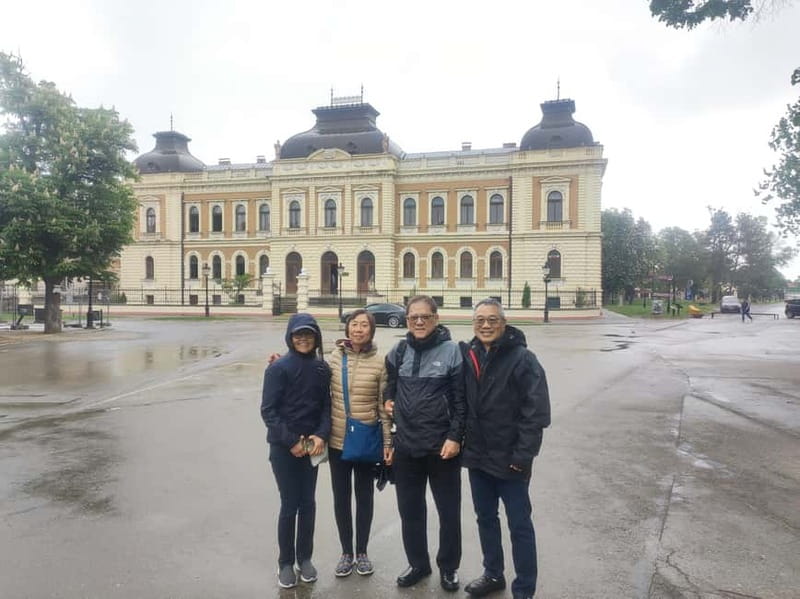
This is the kind of tour that makes sense if you do not have your own car, or if you simply want someone else to handle the route and the context. You start in Novi Sad, then the focus shifts to Sremski Karlovci, a Baroque town in Vojvodina known for quiet streets, churches, and elegant old buildings.
From there, you head toward Fruška Gora, Serbia’s oldest national park. The mountain has a real sense of place, not just views, because it was once an island in the prehistoric Pannonian Sea. That simple fact changes how you think about the terrain you’re driving through. In a few hours, you go from town squares and wine culture to Orthodox monasteries tucked into the hills.
And the overall tone is practical. You’ll move efficiently, you’ll have guided stops where it counts, and you’ll still have time for photos. Even if the weather is not friendly, the structure helps keep the day from feeling chaotic.
Sremski Karlovci main square walk: fountains, gymnasium, and St. Nicholas Church
Sremski Karlovci is best experienced by walking slowly through the center, then letting the details pull you in. The tour gives you that exact rhythm, starting with a photo stop and then a guided sightseeing loop around the core sights.
Here’s what makes the town part worth your time:
- Main square and Four Lion Fountain: This is one of the town’s easiest “just look at it” moments. It gives you a focal point for the Baroque vibe without needing a long explanation to appreciate it.
- Karlovci Gymnasium: A standout building that signals how important Karlovci was as an educational and cultural center.
- Town Hall and nearby monumental buildings: You get the sense of civic life in a historically important region.
- Roman Catholic church and the Serbian Orthodox Church of St. Nicholas: The religious architecture here is part of the town’s identity, and it’s a reminder that Karlovci has never been one-note.
One of the smartest small stops is the Chapel of Peace. You learn how it connects to negotiations linked to the expression round table. It’s the kind of detail that sounds minor until you walk away and notice how often the phrase gets used in other contexts.
How this fits the tour pace
This town segment is short enough to avoid museum fatigue, but long enough for your guide to connect the dots. If you like places where the guide gives you a mental map, this part will feel especially satisfying.
The Bermet wine tasting: why this Serbian signature has a Titanic link
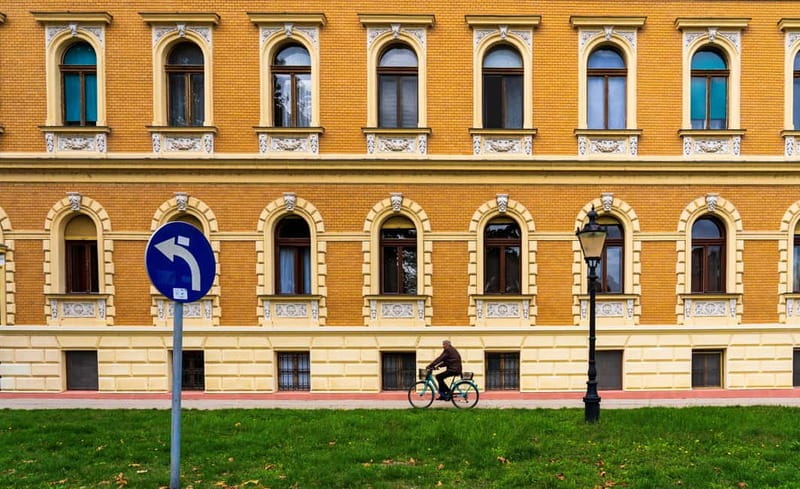
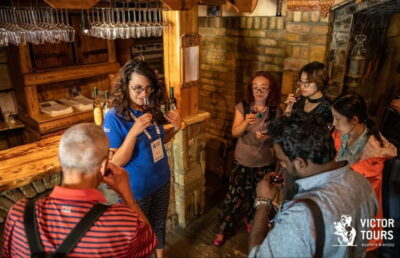
A lot of tours treat wine as a quick stop. This one treats Bermet as part of the cultural story of Sremski Karlovci. You’ll have a tasting of Bermet, a Serbian wine with a reputation so strong it has been associated with service on the Titanic.
Even if you are not a hardcore wine person, the tasting is valuable because it’s local and specific. You are not just trying a random red or white. Bermet is tied to the identity of this area, and that makes the taste more meaningful.
Practical tip: since you’re also visiting monasteries right after, plan to pace yourself. A tasting is not a meal, and the day keeps moving, so keep it light and save your energy for the walking and stairs inside churches.
Baron Pyotr Wrangel monument: a surprising refugee history stop
Not every half-day tour includes a moment like this, and it’s one reason the itinerary feels grounded in real history. You pay tribute at the monument of Baron Pyotr Nikolayevich Wrangel.
In the early 1920s, Wrangel arrived in the Kingdom of Serbs, Croats, and Slovenes as a leader of White Russian refugees. By 1924, he founded the Russian All-Military Union in Sremski Karlovci, a civilian organization that aimed to preserve the Russian military spirit for a future struggle against Bolshevism.
This stop does two things for your experience. First, it broadens the story beyond the Baroque buildings and Orthodox monasteries. Second, it reminds you that Sremski Karlovci has been shaped by movement of people, not just changes in rulers or dynasties.
Krušedol Monastery on Fruška Gora: Orthodox heritage and a mountain setting
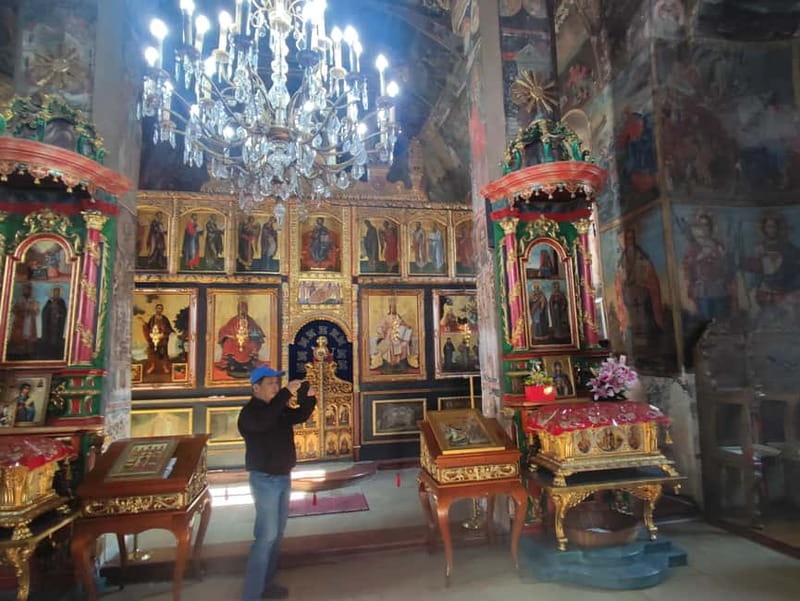
After the town center, you shift into the “Holy Mountain of Serbia” feeling of Fruška Gora. The drive itself is part of it, because you’re watching the region change from town streets to hills and church silhouettes.
You then visit Krušedol Monastery, described as one of the most significant Orthodox monasteries in the area. The timing here is focused: a guided stop that lets you see the essentials without rushing you through everything.
Key historical details matter at Krušedol:
- It was founded between 1509 and 1514.
- It’s tied to Saint Maksim Branković, Metropolitan of Belgrade and Srem, and his mother, Saint Angelina of Serbia.
You also get the bigger geographic context again: Fruška Gora is not just a backdrop. It’s the oldest national park in Serbia, and its long history shapes why monasteries were built where they were.
What you’ll feel here
This is the part of the day that slows down naturally. Even with a guide and a schedule, monasteries tend to force you to move at a quieter pace. If you want a moment that feels more contemplative than sightseeing sprinting, Krušedol delivers.
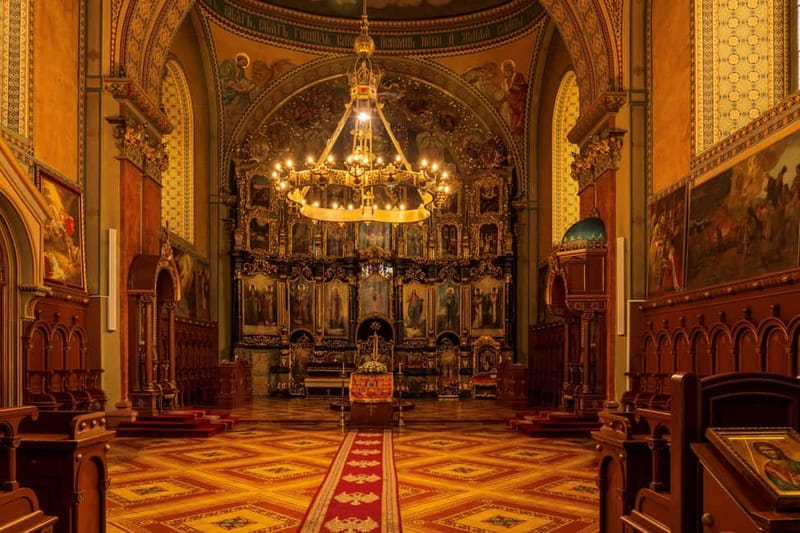
Grgeteg Monastery: Despot Vuk Grgurević to Uroš Predić iconostasis
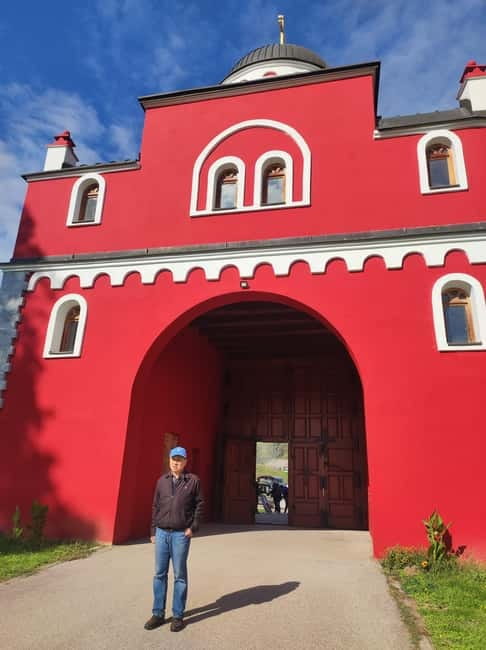
The last major monastery stop is Grgeteg Monastery, with a guided visit that’s short but packed with real art and history. It starts with the founding story: Grgeteg was founded in 1471 by Despot Vuk Grgurević, also known as Zmaj Ognjeni Vuk.
Then comes the long chapter of renewal and rebuilding:
- It was renewed in 1708 after the Great Migration of the Serbs.
- The present Baroque church dates to around 1770.
- It was restored in 1898 by architect Hermann Bollé.
And then there’s the art detail that helps this stop feel more than scenic:
- Inside, you can find an iconostasis painted by Uroš Predić in 1902.
That iconostasis detail is the kind of thing you’ll remember later, because it gives you a specific name and year. You’re not just seeing religious art in general terms, you’re seeing a work tied to a particular moment in Serbian cultural history.
Grgeteg also tends to feel like a breather after the other stops. The day moves, but the monastery atmosphere makes the time feel more respectful than hectic.
Vrdnik fortress area and Beli majdan: scenery plus Roman-era curiosity
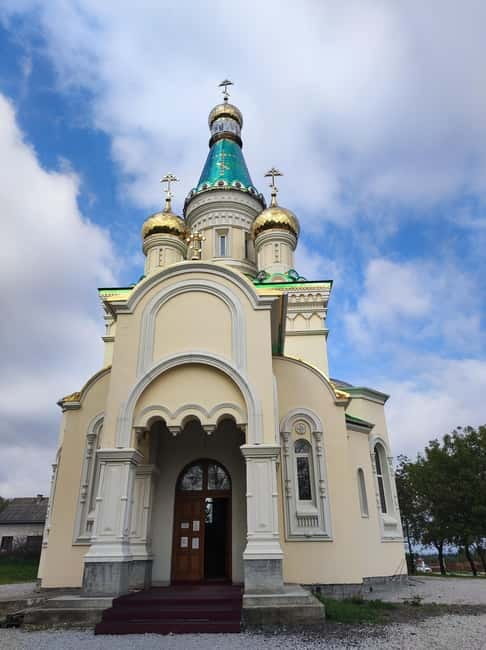
Depending on how the day is paced, the tour can add extra stops beyond the town and monastery focus. The itinerary includes Vrdnik fortress and Beli majdan, both with guided sightseeing time.
This is where you get a more outdoors, “look around” energy. You’re still with a guide, but you’re spending more time letting the area show itself.
One highlight here is the Roman Tower angle, along with a view connected to an old quarry. If you like when a place has multiple time periods layered together, these stops are a good fit. They also help break up the day after churches and fountains.
A realistic note on effort
These are not hard hikes, but you should expect uneven ground and a bit of walking. If you’re traveling with knee issues or you hate standing in one spot for photos, plan to take it slow. Comfortable shoes are not optional for this one.
Price and value: what $81 gets you in a 3 to 5 hour day
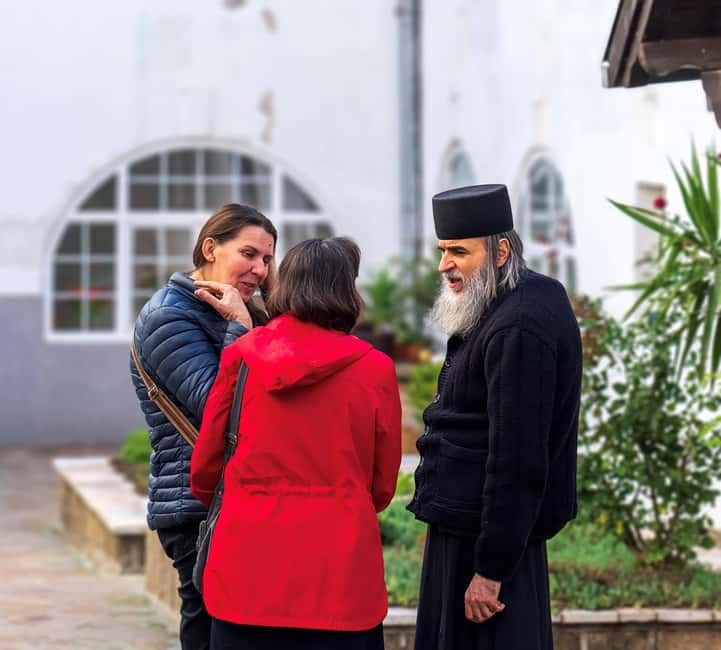
At $81 per person, this tour is priced in line with other guided culture days, but it has three value drivers that make the number feel fair.
First, you get transportation from Novi Sad in a comfortable modern Škoda Superb. Pickup is included, and it’s practical: wait at your hotel reception or outside at the address from your booking, and look for the grey Škoda Superb unless another vehicle is specified.
Second, you’re not just visiting one place. You’re combining:
- a guided town walk in Sremski Karlovci,
- a visit to Krušedol Monastery,
- a visit to Grgeteg Monastery,
- plus additional sightseeing stops in the surrounding area.
Third, you get a Bermet tasting, which adds a sensory local element that many tours skip.
What’s not included is also clear: meals. So if you’re doing this midday, you might want to eat before you go or plan a light snack afterward.
Overall, I think this is a good value for people who want structure. If you try to cobble together public transport for this region, you may end up wasting time. This tour avoids that and gives you a tight route with guided context.
Guides and language: English and Russian, private group pace
This is a private group experience, guided in English or Russian. A private format matters more than most people think. It usually means you can ask questions, and the guide can shape the pacing to match your group.
One strong pattern from the experience is adaptability. In rain, the day can still work because the guide keeps moving through the highlights and adjusts photo stops and timing.
If you’re the type who likes explanations while you walk, this is a smart pick. If you prefer silence and solo roaming, a guided tour can feel a little structured, but you’ll still have time for photos and views.
Who should book this tour, and who might skip it
You’ll be happiest on this tour if:
- you want Sremski Karlovci plus two key monasteries without figuring out logistics,
- you like history that connects places to people, not just dates,
- you are curious about Serbian culture, including local wine like Bermet,
- you want a day that mixes town architecture with a monastery and mountain setting.
You might skip it if:
- you want a long, slow day where you can linger for hours in one church,
- you dislike any walking between stops,
- you prefer meals and free time built into the schedule. Meals are not included here.
Practical tips so the day feels easy
A few small things make a big difference on a half-day like this:
- Wear comfortable walking shoes. You’ll be on your feet, including outdoor stops.
- Bring a camera. Four Lion Fountain and the monastery exteriors are exactly the kind of scenes you’ll want to capture.
- Check the weather forecast. If rain hits, the guide can adapt, but you’ll still be outside for parts of the route.
- Remember the rule: no smoking in the vehicle.
Also, keep your day flexible. This is one of those tours where the order works best when you treat it like a guided circuit rather than a rigid checklist.
Should you book this Sremski Karlovci and Krusedol Monastery tour?
If your goal is a focused introduction to Vojvodina culture, this is an easy yes. You get Sremski Karlovci’s Baroque core, a distinctive Bermet tasting, and then the monastery payoff of Krušedol and Grgeteg. Add the surrounding Vrdnik and Beli majdan stops, and you get more than just indoor sightseeing.
The only reason to pause is if you hate short time at many stops. This itinerary works best when you’re happy to move, look, learn, and then move again.
FAQ
How long is the tour?
The duration is listed as 3 to 5 hours.
Where does the tour start and where does it end?
It starts with pickup in Novi Sad and returns you to Novi Sad at the end, with drop-off at any location in the city or directly at your hotel.
What kind of transportation is provided?
Pickup is included, and the guide arrives in a grey Škoda Superb unless another vehicle was specified.
Is the tour private?
Yes, it’s a private group experience.
What languages is the live guide available in?
The live tour guide is available in English and Russian.
What sites are visited?
The tour includes guided sightseeing in Sremski Karlovci, stops at Grgeteg Monastery, a visit to Krušedol Monastery, and additional guided sightseeing stops at the Vrdnik fortress area and Beli majdan.
Are meals included?
No, meals are not included.
What should I wear or bring?
Wear comfortable walking shoes and bring a camera. It’s also recommended to dress appropriately for the weather.
Is smoking allowed in the vehicle?
No, smoking is not allowed in the vehicle.
Novi Sad & Sremski Karlovci Day Trips, side by side.
Sremski Karlovci and Novi Sad Full-Day Tour from Belgrade
Read our review →
Walking Tour city center and Petrovaradin Fortress
Read our review →
Private transfer from Belgrade or Belgrade Airport to Novi Sad
Read our review →
Private Day Tour to Fruska Gora Monasteries, Sremski Karlovci and Novi Sad
Read our review →
Private Novi Sad, Titanic wine tasting and Farmer’s House
Read our review →The lists this tour appears in